
Grocery Store Savings Myths
Searching for ways to squeeze more bang out of a buck is something that frugal-minded people love to do. Grocery store savings is always on our radar as a potential place to save more money.
Sometimes, though, efforts to save more money at the grocery store can actually end up costing us more money. Why? Because sometimes those myths that we’ve been taught over the years don’t actually work for us.
Take a look at these grocery store savings myths that may actually be costing you money.
You always save more money by buying the bigger sizes or bulk size.
This is a tip that we see a lot when we are doing research on saving money on groceries.
In most cases, buying in bulk is the better way to save money. It can also end up costing you money in the long run. How? If you are single or a small family and you are not going to use the majority of the product before it goes bad, then you are throwing away the money that you thought you were saving by buying the item in bulk.
Now, if you don’t use all the product and can/will freeze it then buying in bulk can save you money. How do you know if you are getting the best deal by buying in bulk?
Most grocery stores now have a shelf tag that breaks down the “per unit price” so that you can compare the products. When you are making the comparison, make sure that you are looking at the same unit (you know — pounds to pounds and ounces to ounces). If the “per unit price” on the bulk items is not cheaper than the “per unit price” of the smaller item, then you are not saving money by buying the bulk item.
You always get a great deal and huge grocery store savings when they are running a sale.

The newspaper is filled with sales circulars on Sunday. But, is every item in the sales circulars actually going to save you money?
NO!
The ads each Sunday have a mix of sale items (that actually will save you money) and also regular-priced items.
So how do you tell if something is really on sale? Make sure that you read the fine print in the ads very carefully. Once you get to the store, look at the original price in the store before you buy the item in the sales circular.
You always get a better value buying the store brand products.
First, most store brands are actually made by the major food brands. So from that point of view, the quality of the products are usually the same. The price of the name brand products is usually higher. When you look at it that way, then you automatically think the better deal money-wise is going to be the store brand.
Not so! If the name brand goes on a truly good sale and you have a coupon, you can most of the time bring the price of the name brand down below the price of the store brand.
Some interesting facts about store brands by the Private Label Manufacturers Association:
- In 2016, the PLMA estimates that about $200 billion of store brands were sold.
- It is not accurate to call a “store brand” a “generic” anymore because they are now a full-fledged brand.
- Store brands must meet all the same standards and requirements that the national brands must meet.
- The name brand manufacturers supply and package the store brand products according to the store’s specification.
- The marketing costs for the store brands are not the same as for the national brands, which is the reason why the store brand is sold at a cheaper price.
You always get a great deal on the items in the special displays at the ends of the aisle.
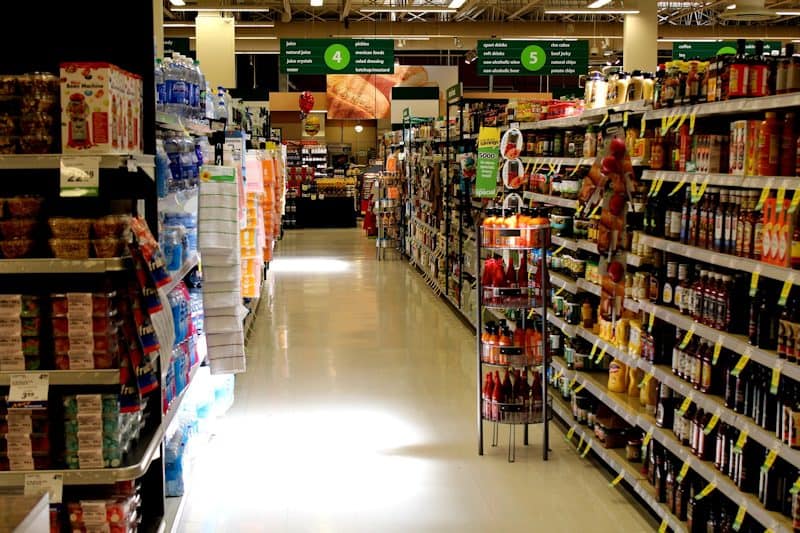
Another grocery store savings myth that has subtly been placed in the minds of shoppers for a long time. It is also a myth that is not always true!
The special displays at the ends of the aisles are known as “end caps”. They are placed there for a reason — to capture the buyer’s attention. When people see them, they automatically think those items are on sale. Sometimes they are but most of the time they are not.
Before you purchase anything off an end cap, take the time to look for the product in its original location on the shelf with the rest of the products! Check the price on the shelf to see if it is really on sale or not.
You will blow the budget if you purchase healthy food.
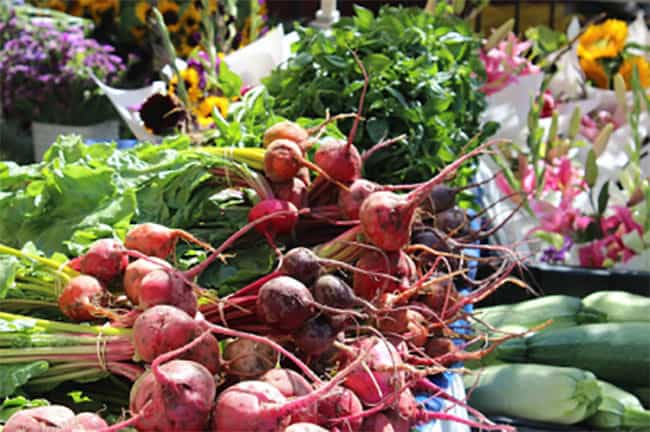
There are a lot of options available to choose from that will let you eat healthy food and still save money.
Some ways to save money and still eat healthy are:
- Eat fruits and vegetables that are in season.
- Nuts, grains, flours, and rice can be bought in bulk and frozen.
- Buy frozen fruits and vegetables. They are picked at the peak of ripeness and flash frozen to preserve the nutrients.
- Buy local at a farmer’s market.
- Join a CSA — Customer Supported Agriculture program
- Believe it or not, they do offer coupons for fresh food and organic dry products.
You have to use a coupon when you get the coupon.
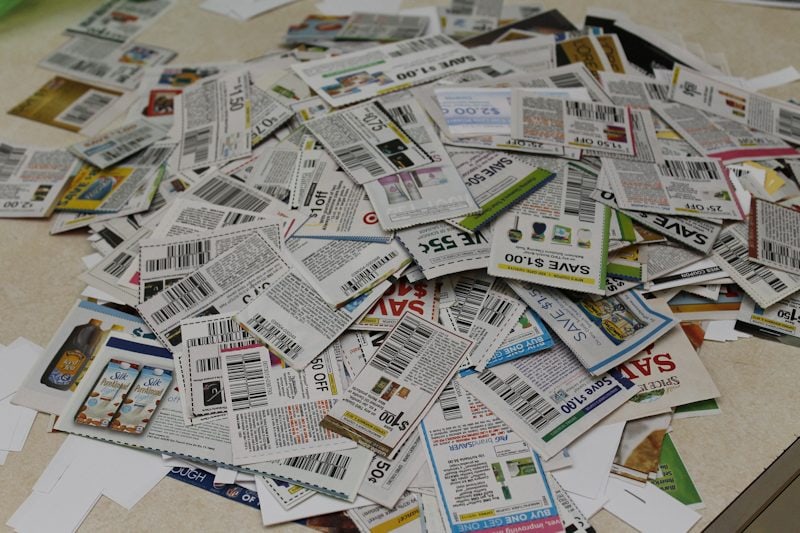
Not true! This is another grocery store savings myth that many think is true.
Coupons have expiration dates on them. You can use the coupon anytime during that time. The optimal time to use a coupon is when you can pair it with a sale. It is even better if there is a sale, a store coupon, and a manufacturer coupon. Then you really save!
If you aren’t sure where to find coupons, check out our post on Where to Find Coupons!
We hope we helped break some of these grocery store savings myths that may have been keeping you from saving money on groceries. Leave us a comment and let us know! We’d love to hear from you.
I also think they sometimes jack prices up before putting things on sale. I’ve seen it when my local store puts roasts BOGO. You gotta pay attention because these stores are sneaky!