
Canning — A Lost Art?
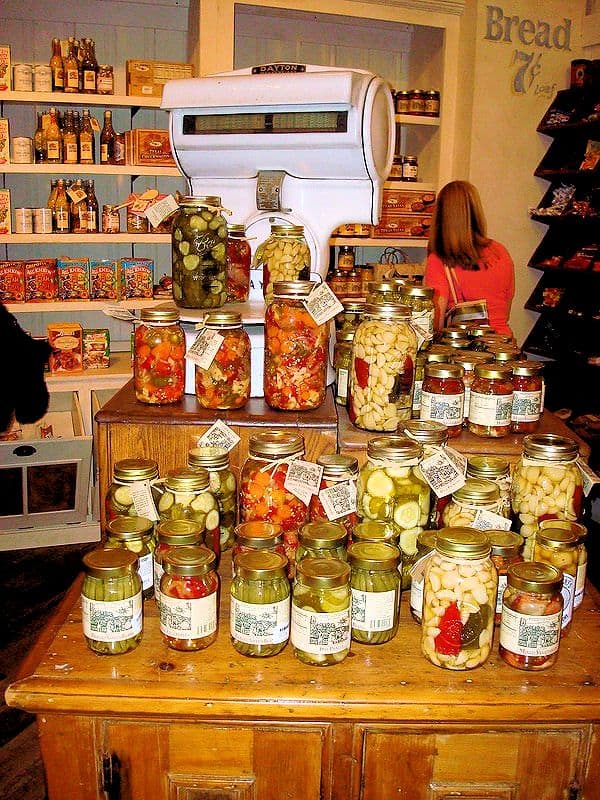
In July, gardeners and farmers everywhere start getting ready to realize the fruits of their labors. It’s the time of year when produce in their fields and gardens is being harvested.
If you are a farmer or gardener, more than likely you are gathering everything together that you will need to can or freeze your produce. For some, it will be off to the farmer’s markets to sell your harvest or maybe set up a roadside stand.
Canning brings back so many memories of my childhood. I remember my mother and grandmother carefully washing the Kerr jars, lids, and rings. While they air dried, I can remember them washing the cucumbers and making the brine for the dill pickles. Then taking the jars and filling them with either sliced cucumbers or whole small cucumbers. They’d pour the brine into the jars and lower them into the canner. After they boiled for a time, they’d carefully lift them out, line them in neat little rows, and cover them. We’d all anxiously wait for that loud “pop” that let us know that the jars were sealed properly. Oh, the wonderful memories!!!
In today’s economy, canning is one way to cut your grocery expenses. By taking the time to can, you can fill your shelves full of tasty foods that will last longer than frozen foods. This will ultimately save money because you will not have to throw out any “freezer” burned food.
You don’t have to have a garden to be able to “can” vegetables or make pickles. The local farmer’s market more than likely will have an abundance of produce for you to choose some vegetables to “put up” for the winter. Some recipes call for “bushels” of vegetables. Some call for quarts. If you can in smaller batches then it will seem less like work and more like a small project. Try canning several quarts of beans, instead of several “bushels” of beans. It won’t take all day and you’ll likely want to choose another day and can some more vegetables.
There are some advantages to canning.
- If your electricity goes out for an extended time, you won’t lose your pantry full of canned goods like you would if you had a freezer full of frozen veggies.
- Canned goods have a longer shelf life than frozen foods.
- Most anything can be canned. Sauces, stews, chili, etc can be canned as well as pickles, preserves, jams, and jellies. Did you know that even meat can be canned?
- You will also know what ingredients are in the jar of food. You’ll know that there are not any added preservatives that you did not want in the jar. You’ll also know where the ingredients came from and that they were carefully washed.
- Jars and bands can be reused. Lids should not be reused.
- It doesn’t have to take a lot of money or fancy canners to get started in canning. You can start by using a water bath canner that is available at most discount stores for somewhere around $20. You know the one I’m talking about – the big blue pot with the wire rack and lid.
Till next time,
JT Locke
The Frugal Housewife